
Meta Ads
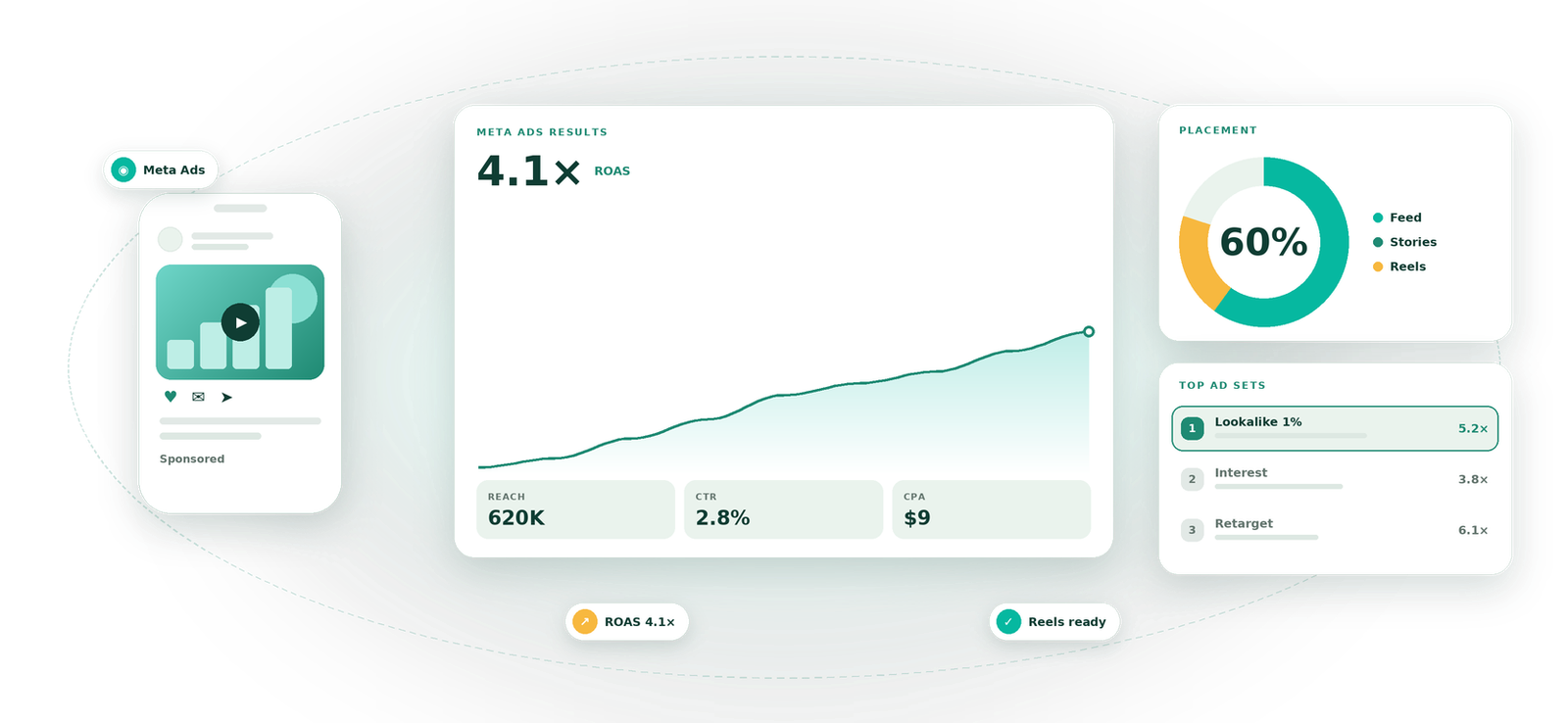
Use Facebook and Instagram advertising to reach, retarget and convert relevant audiences with creative-led campaigns.
Meta Ads
Use Facebook and Instagram advertising to reach, retarget and convert relevant audiences with creative-led campaigns.
- Audience and intent alignment
- Clear scope, priorities and deliverables
- Search-friendly, user-focused execution
- Measurement and continuous improvement
Research
Understand the audience, context, competitors and opportunity before deciding what to build.
Plan
Prioritize the work, define the journey and establish useful success signals.
Execute
Deliver the work with attention to quality, usability, consistency and technical foundations.
Improve
Review results, learn from real behavior and refine the next set of actions.
Specialist services built around your goals.
Choose a focused area to explore its scope, process and practical outcomes.
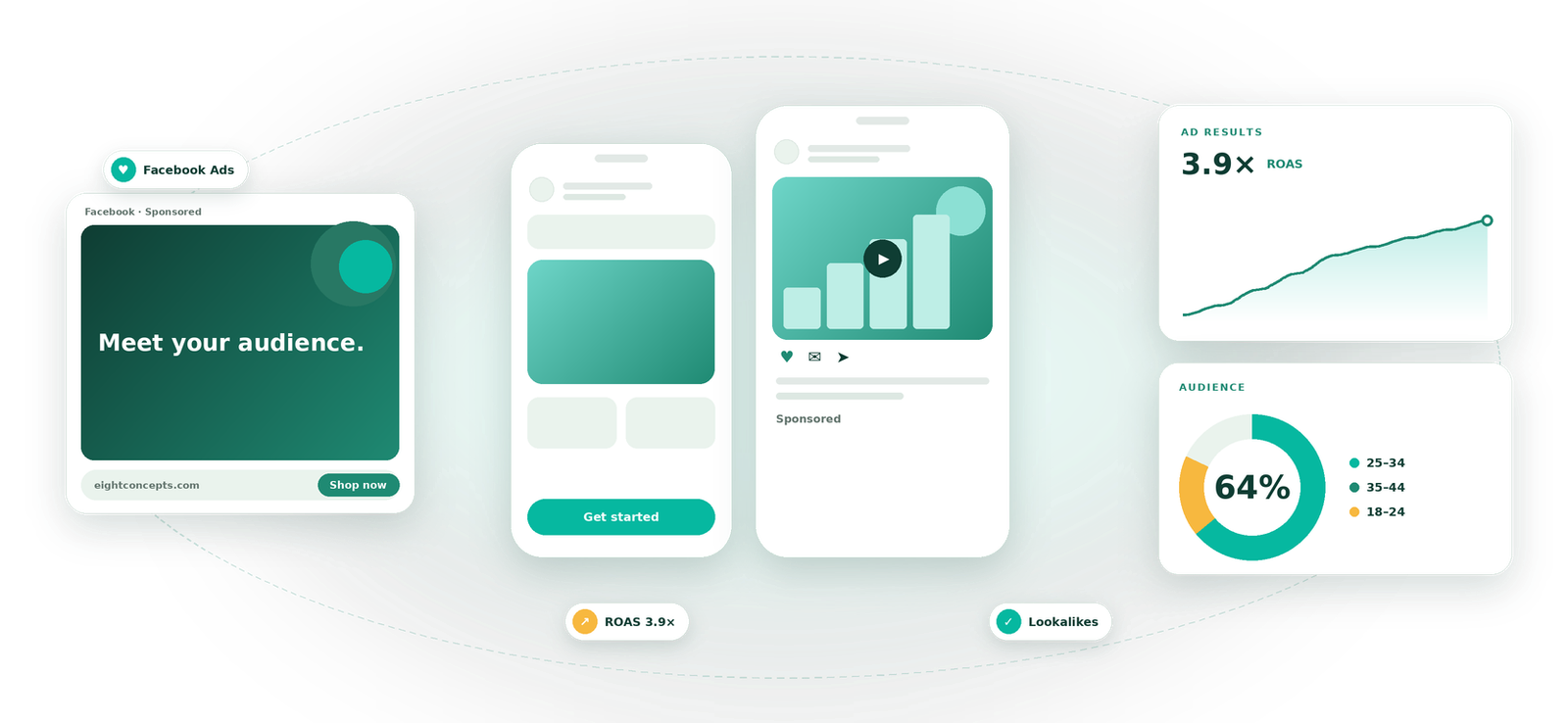 ↗
↗Facebook Advertising
Build targeted Facebook campaigns around awareness, traffic, leads or conversions.
↗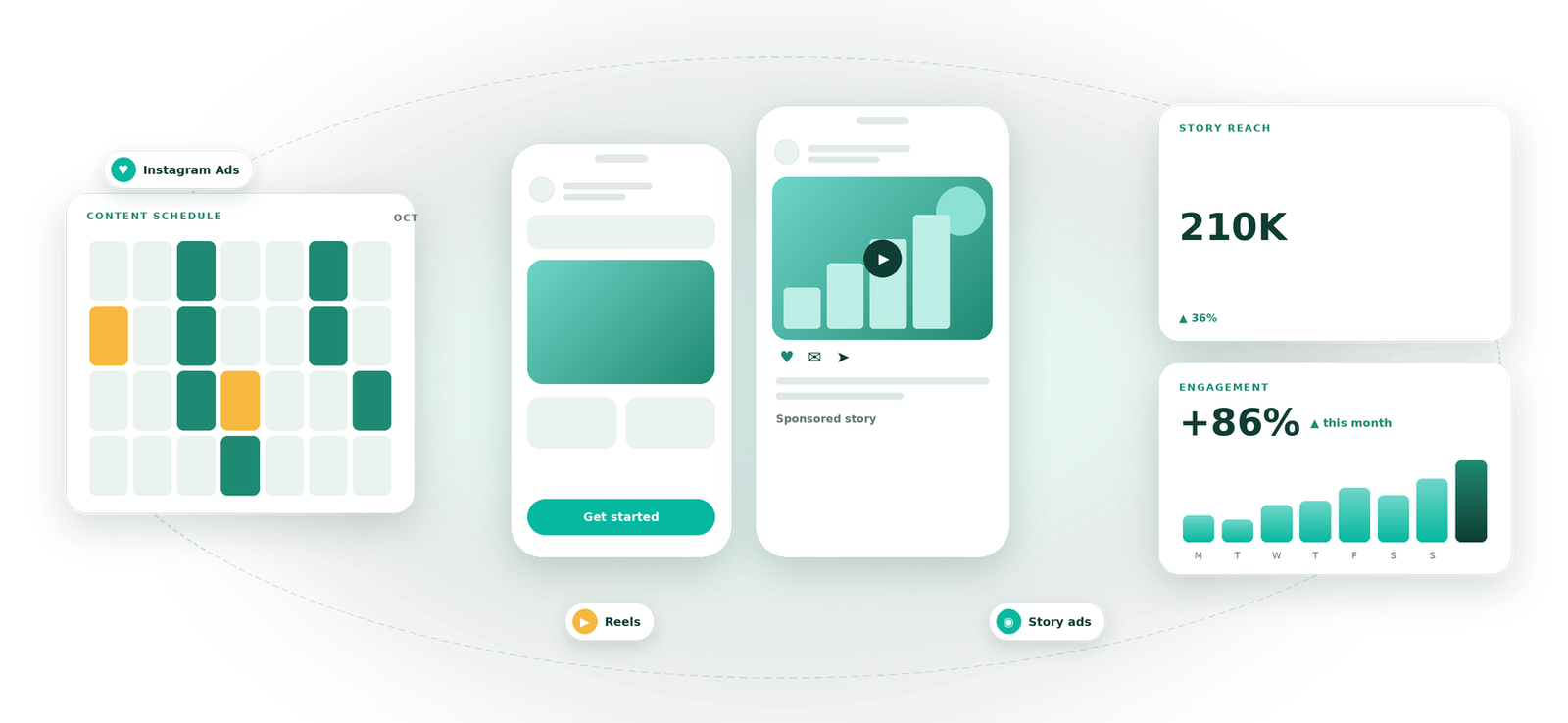 ↗
↗Instagram Advertising
Pair platform-native creative with audience and conversion strategy for Instagram.
↗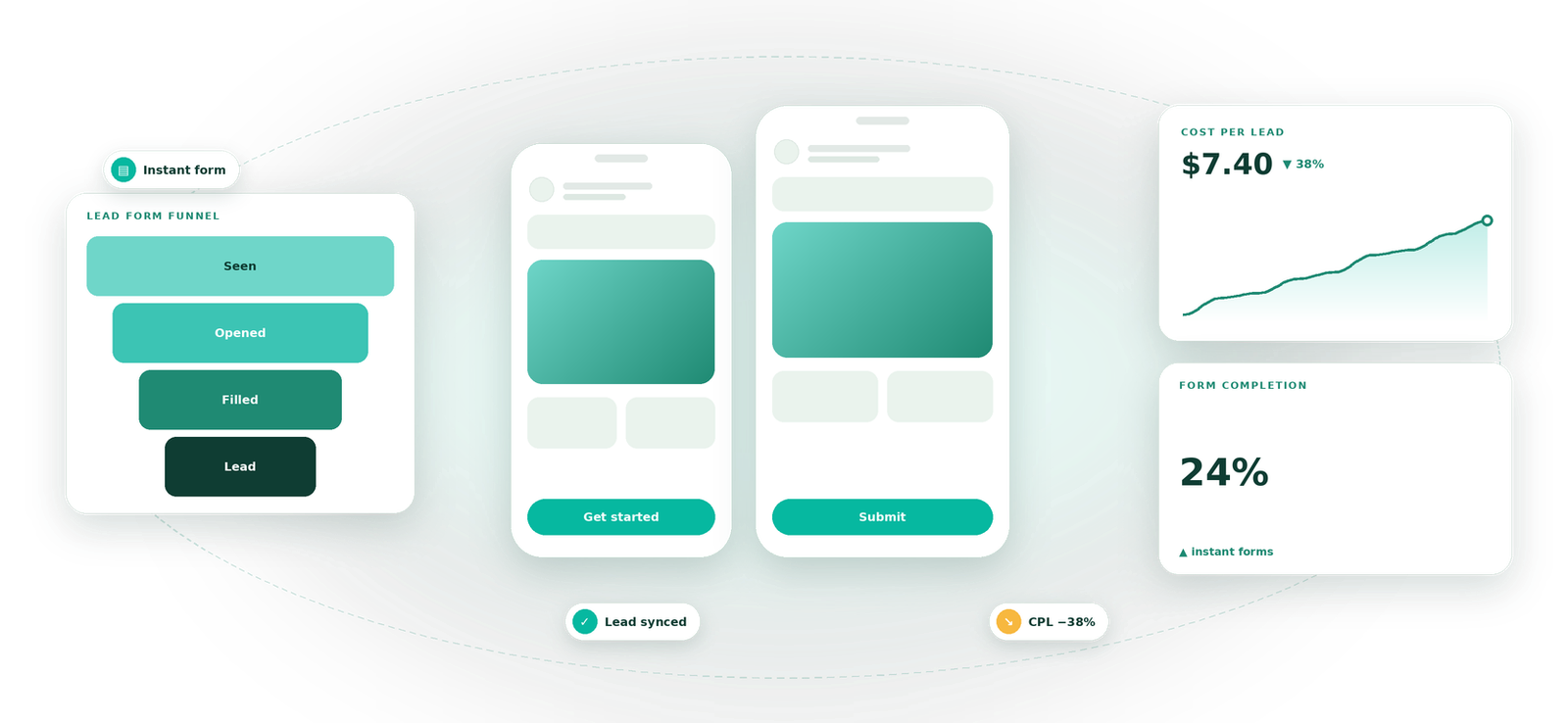 ↗
↗Lead Ads
Generate qualified enquiries with low-friction lead forms and clear follow-up journeys.
↗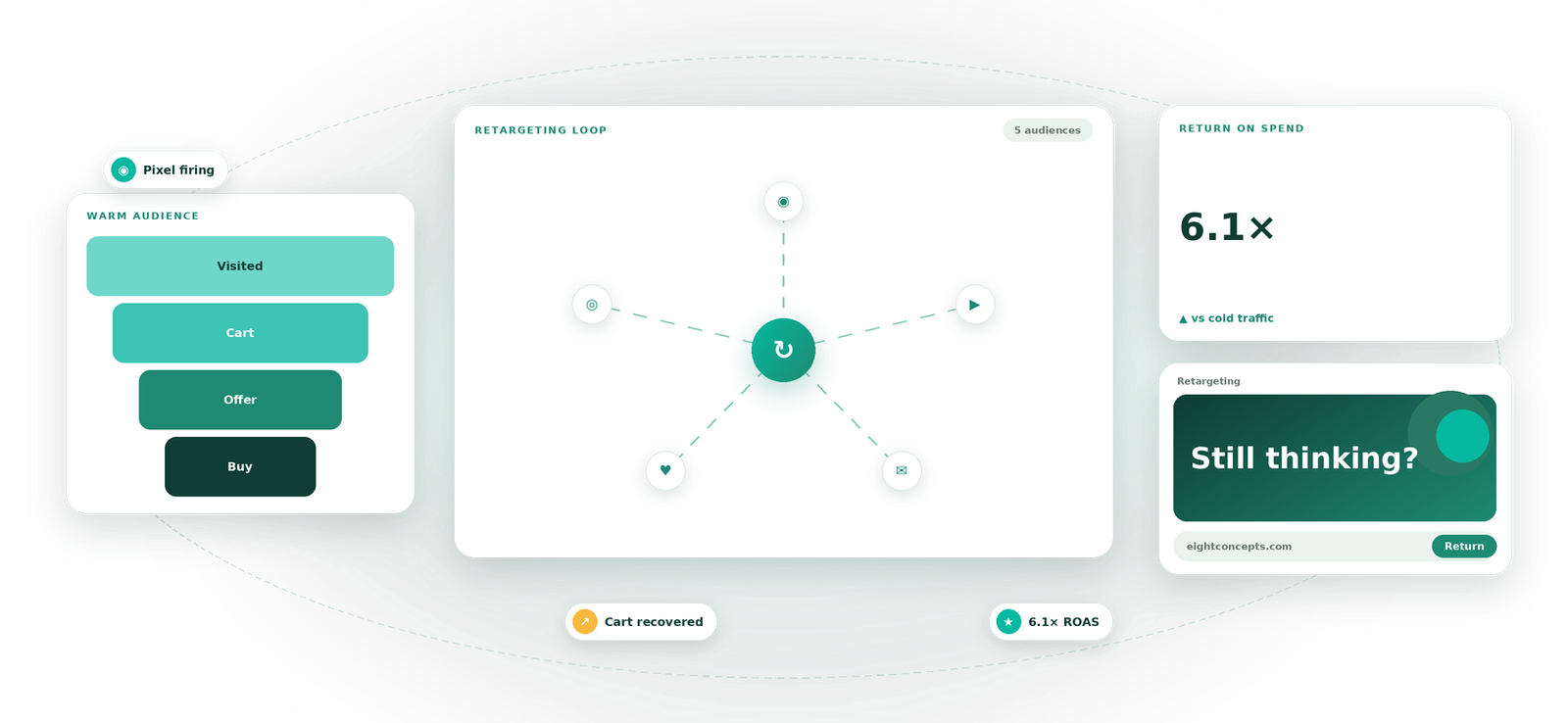 ↗
↗Retargeting
Reconnect with people who already visited, engaged or showed purchase intent.
↗Common questions about Meta Ads.
What does Meta Ads include?
Meta Ads covers the planning, execution and optimization activities needed to address the specific goals described on this page. Scope can be adapted to your business, audience, market and existing setup.
Who is Meta Ads for?
Meta Ads can support businesses that need a clearer, more measurable approach to use facebook and instagram advertising to reach, retarget and convert relevant audiences with creative-led campaigns. The right scope depends on your current position, resources and growth priorities.
How do you approach Meta Ads?
We start by understanding the business, audience, existing assets and desired outcome. We then prioritize the highest-value work, execute it carefully and use performance signals to guide improvements.